Trezor.io/start is commonly known as the central onboarding guide used by new Trezor hardware wallet owners to set up their devices for the first time. When someone purchases a Trezor Model One or a Trezor Model T, the next important step is understanding how to initialize the device, create a secure recovery seed, install the required software, and learn the essential safety principles that come with managing cryptocurrency through a hardware wallet. The purpose of a setup guide like Trezor.io/start is to simplify the experience for beginners while ensuring strong security practices from the very beginning. Hardware wallets exist to protect digital assets from online theft, malware, phishing, and remote hacking attempts. However, the strength of the security depends not only on the hardware but also on how correctly users set up and maintain the device. This is why a structured step-by-step onboarding process is necessary.
When someone visits a setup guide for a hardware wallet, the goal is usually to walk them through connecting the device, installing companion software, updating firmware, generating the recovery seed, and configuring security settings. Many users buying a hardware wallet are new to the world of crypto security, so the setup instructions must be clear, accessible, and easy to follow even for non-technical people. At its core, the onboarding journey teaches the fundamental rule of hardware wallet ownership: the recovery seed is the single most important element of cryptocurrency security. Anyone who has the seed can access the wallet from anywhere, which means the seed must never be typed into a computer, phone, or website, and must never be shared with anyone else. A guide like Trezor.io/start places heavy emphasis on this rule because most crypto thefts originate not from breaking into the hardware device itself but from tricking users into revealing their seed phrase.
A typical setup begins by connecting the hardware wallet to a computer or mobile device using a USB cable. The wallet must then be paired with software that serves as the interface through which users send, receive, and manage cryptocurrencies. The companion software also handles account updates, firmware installation, and verification processes that keep the device secure. Firmware updates are critical because they allow the hardware wallet to incorporate security improvements, support new cryptocurrencies, fix bugs, and maintain compatibility with the latest blockchain standards. The setup guide often instructs users to ensure their device firmware is fully up to date before storing any funds. This simple step helps protect against potential vulnerabilities that may exist in older versions.
Once the device is connected and the software is installed, the most important stage begins: generating the recovery seed. This seed is often 12, 18, or 24 words, depending on the model and configuration. It is generated directly on the hardware device to ensure that it is created offline, away from potential internet-based threats. The reason the seed is displayed on the hardware screen and not the computer monitor is to prevent malware from intercepting or recording it. During setup, people are instructed to write these words down carefully on paper or another secure offline medium. They must double-check spelling, order, and completeness. Many users choose to create multiple backups in secure locations. Some even engrave or stamp the seed into fireproof and waterproof metal plates. This is a precaution against physical risks such as fire, flood, decay, or loss of written paper documents.
After the recovery seed is confirmed, the wallet then asks the user to set a PIN. The PIN is what protects the device in case it is stolen or lost. Without the correct PIN, no one can access the accounts stored on the device. The PIN should be strong, unpredictable, and not easily guessed. Users are also reminded to avoid writing the PIN on the device or storing it in the same location as the recovery seed. The purpose of the PIN is to protect the device physically, while the recovery seed protects the wallet digitally. Together, these two security layers ensure that even if the device is lost or damaged, the crypto assets remain recoverable and secure.
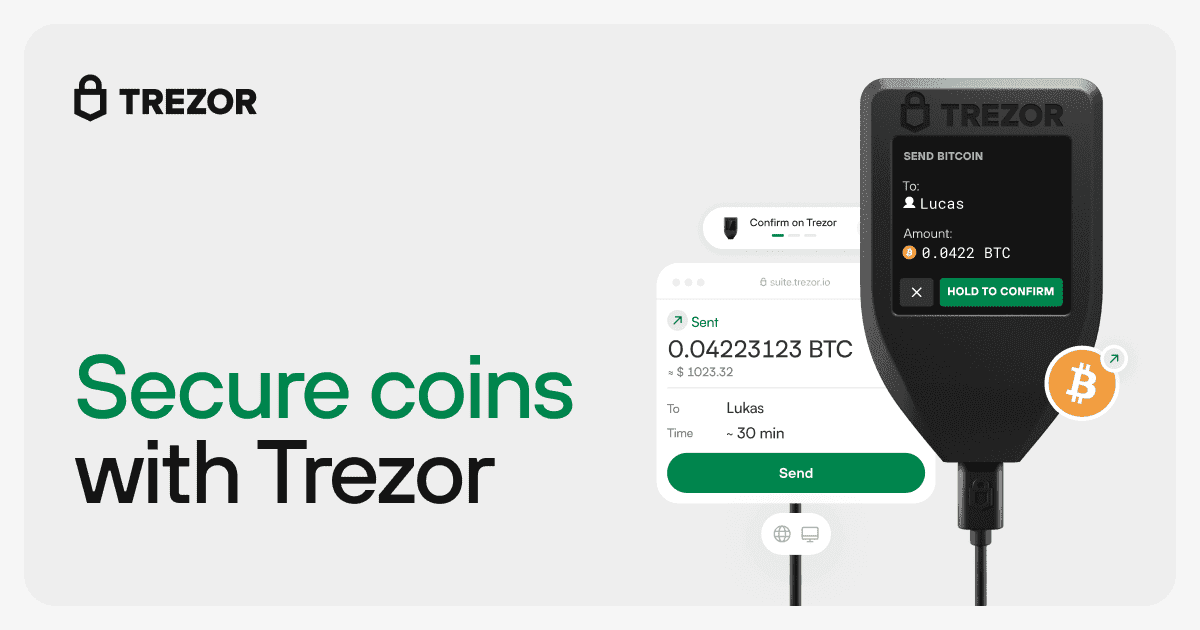
Once the hardware wallet is initialized, users can begin managing cryptocurrency assets. Through the companion software, users can send and receive coins, view balances, organize accounts, and interact with supported blockchains. The hardware wallet ensures that the private keys never leave the device. When a transaction is created, the details are sent to the hardware wallet for signing. The user physically confirms the transaction by pressing a button or touching the device’s screen. Only after confirmation does the wallet sign the transaction and send it back to the software to broadcast it to the blockchain. This method ensures that even if a computer is compromised, the attacker cannot sign unauthorized transactions without access to the hardware device itself.
Education about phishing, scams, and unsafe practices is another critical part of any onboarding material related to hardware wallets. Crypto scams are widespread, and criminals often create fake websites with misleading addresses similar to official ones. They send fraudulent emails or messages claiming to be support representatives. They create fake browser extensions and mobile apps. All these methods are designed to steal private keys or recovery seeds. For this reason, setup instructions stress that users should type website addresses manually, avoid clicking suspicious links, and never reveal their recovery seed—not even to someone claiming to be customer support. Official vendors never ask for the recovery phrase under any circumstances. The seed should remain offline and private forever.
Another topic commonly emphasized is the importance of secure device storage. A hardware wallet should be treated like an important physical asset. It should not be left unattended in public places or exposed to unnecessary risks. Some users store their devices in safes or lockboxes. Others keep them in secure home environments with restricted access. The level of protection depends on the value of assets and the user’s personal threat model. The recovery seed should also be stored in a separate secure location. If both the device and the seed are stored together, theft or environmental damage could compromise everything at once.
During onboarding, users also learn about the concept of passphrases. A passphrase is an optional feature that adds an additional layer of protection to the recovery seed. It functions like a 25th word or an extra password that must be entered each time the wallet is unlocked. Without the passphrase, even someone who has the recovery seed cannot access the accounts protected by it. Passphrases create hidden wallets that are not detectable on the hardware device unless the correct passphrase is entered. This feature is optional, and beginners may not need it immediately, but it becomes valuable for users managing significant amounts of cryptocurrency or wanting additional layers of protection. However, passphrases come with responsibility: if the passphrase is forgotten, access to the protected wallet is permanently lost. There is no way to recover it.
Trezor-style onboarding guides also teach users about transaction fees and blockchain confirmations. When sending cryptocurrency, fees must be paid to network validators or miners. These fees vary depending on network congestion and the desired transaction speed. The companion software usually provides fee presets such as low, medium, or high. Users learn that choosing a lower fee may result in slower confirmations, while higher fees can accelerate processing. The onboarding experience also explains that confirmation times differ between blockchains. Bitcoin, for example, may take ten minutes or more per confirmation, whereas other networks like Litecoin or XRP confirm faster.
Another important point in setup materials is diversification of storage. Hardware wallets are secure, but many users maintain multiple wallets for different purposes. One wallet may store long-term holdings, another may be used for periodic trading, and a third may serve as a backup or inheritance plan. Onboarding guides often recommend planning for unexpected events. For example, users may consider writing instructions for trusted family members on how to access funds in case of emergencies. This must be approached carefully, ensuring that sensitive details like the recovery seed remain protected.
A guide like Trezor.io/start also highlights supported cryptocurrencies. Hardware wallets typically support a wide range of coins and tokens across different blockchains. However, not all tokens may be supported natively. Some require third-party interfaces or additional steps. Onboarding content often directs users to compatibility lists so they know which assets are supported directly, which need external wallets, and which are not supported at all. Understanding asset compatibility prevents mistakes such as sending tokens to unsupported wallets, which can result in permanent loss.
Privacy practices are another topic explained during setup. Hardware wallets do not store personal information. They do not require email addresses or accounts to use. The only data stored on the device are the keys derived from the recovery seed. However, transactions on most blockchains are publicly visible. Even though the wallet offers security, users must still take steps to maintain privacy if needed. This may involve using new addresses for each transaction, avoiding linking personal identity to wallet addresses, or using privacy-enhancing tools depending on the user’s needs.
The onboarding guide also encourages users to stay informed about updates. Security in the cryptocurrency world evolves rapidly. New threats, new coins, and new vulnerabilities emerge all the time. Keeping firmware updated ensures that the hardware wallet maintains strong protection against emerging risks. Users are reminded to download updates only from trusted sources and to verify that the device screen displays consistent checksums or signatures before applying firmware changes.
In addition to setup, guides like Trezor.io/start often teach users about safe daily usage. Before signing transactions, users should always verify details displayed on the hardware wallet screen. If the computer shows one address but the hardware wallet displays another, the transaction should be cancelled immediately. Malware can alter transaction details on the computer screen, but the hardware wallet is designed to remain isolated and secure. This is why verifying on the device itself is essential.
Another lesson covered during onboarding is backup strategy. If users lose the recovery seed, no company, website, or support team can restore access to their funds. Unlike banks, the blockchain system is decentralized, meaning users have full responsibility for their own access and security. This principle is empowering but also comes with irreversible consequences. A setup guide encourages users to think carefully about how they store and protect their seed phrase. Some use secure containers, deposit boxes, or encrypted paper backups. Others use metal plates designed to resist fire, water, corrosion, and pressure.
Finally, the onboarding journey emphasizes responsible crypto management. A hardware wallet is a powerful tool, but it works best when combined with cautious behavior. Users must remain alert to scams, avoid risky websites, secure their computers against viruses, and practice digital hygiene. They should avoid connecting their wallet to untrusted devices and disable unnecessary browser extensions. They should also be cautious when installing software and ensure they are using official sources.
In summary, a setup resource like Trezor.io/start plays an essential role in helping new hardware wallet owners get started correctly and securely. It guides users through installing the companion software, updating firmware, generating the recovery seed, setting a PIN, and understanding safety rules. It also provides education on phishing, transaction verification, backup strategies, compatibility, privacy, and the importance of staying informed. By following a structured onboarding process, users build strong habits that protect their digital assets from theft, loss, and mistakes. Hardware wallets offer some of the highest levels of cryptocurrency security available, but their effectiveness depends on how they are used. A clear and comprehensive setup guide ensures that even beginners can use these devices safely and confidently.