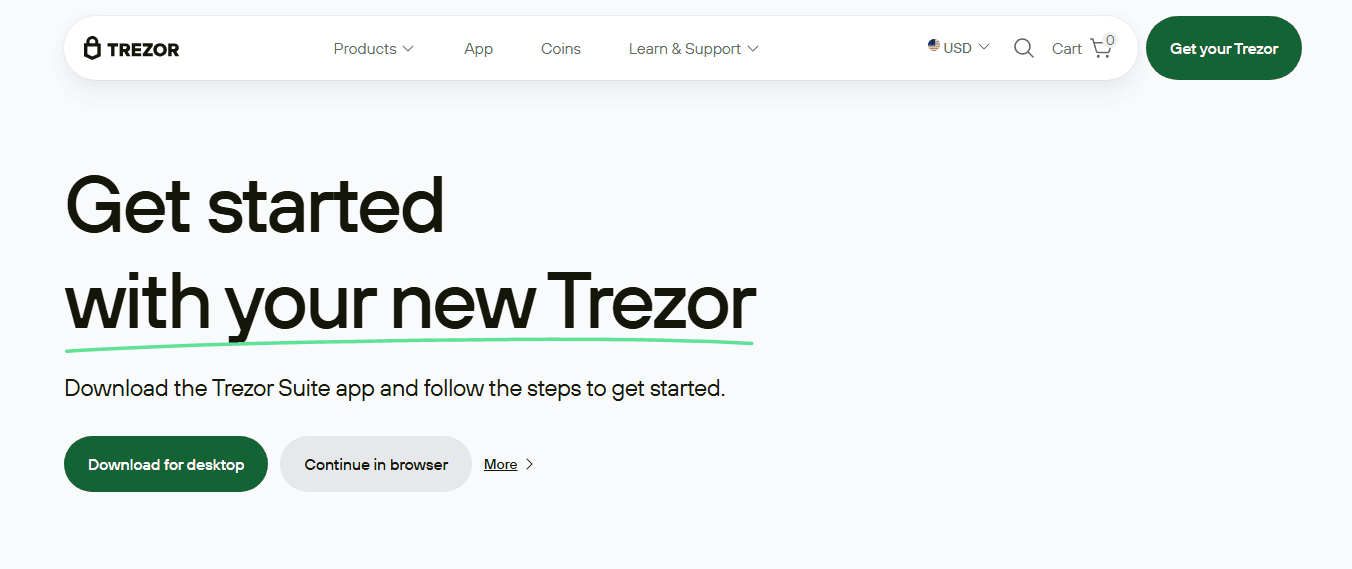
Trezor.io/start is commonly known as the first resource that new Trezor hardware wallet owners explore when learning how to set up their device and secure their cryptocurrency holdings. For anyone entering the world of hardware wallets for the first time, this setup process forms the foundation of safe digital asset management. Setting up a hardware wallet is not just a technical procedure; it is a shift in mindset. Users move from relying on centralized systems to taking direct responsibility for their own security. To help users navigate this transition smoothly, a clear and thorough setup guide is essential. The journey through a setup resource like Trezor.io/start introduces key topics such as initializing the device, generating a recovery seed, updating firmware, creating a PIN, understanding how transactions work, and learning how to safeguard long-term digital investments.
The setup journey typically begins with unboxing the device. New users are advised to ensure that their device’s packaging is intact. A hardware wallet should never arrive with a preset recovery seed or handwritten words inside the package. If someone finds such notes, it is a sign of tampering. The reason this is important is that the recovery seed must be generated by the user and displayed only on the device’s screen during setup. The integrity of the device is crucial because the device will later hold the private keys that control cryptocurrency funds. Once users confirm that everything looks legitimate, they move to the official setup instructions, where they learn how to get started.
The next step involves connecting the hardware wallet to a computer via USB. A proper setup guide helps users download the companion software that will interface with the device. This software acts like a dashboard for managing cryptocurrencies, viewing balances, creating accounts, and sending transactions. The software does not hold private keys; it simply communicates with the device, which stores the actual keys securely offline. This separation ensures that even if the user’s computer becomes infected with malware, the private keys remain protected inside the hardware wallet. All sensitive operations, especially transaction signing and recovery seed handling, happen directly on the device.
Before the wallet can be fully used, the device may need a firmware update. Firmware is the internal software that defines how the hardware wallet functions. Updates might add support for new currencies, improve security, or fix bugs. During this stage, the device and software work together to ensure the firmware comes from a trusted source. Users should always confirm that the device screen matches what the software indicates. This dual verification helps prevent attackers from installing malicious firmware by intercepting the process. Keeping firmware updated is one of the simplest and most effective ways to maintain long-term security.
Once the firmware is handled, users proceed to initialize the hardware wallet. Initialization is where the recovery seed is generated. The recovery seed is a sequence of words, typically 12, 18, or 24, depending on the wallet model and configuration. These words are the root of all future private keys and cryptocurrency addresses. The critical element here is that the seed is generated inside the hardware wallet and shown only on the device’s screen. No seed should ever appear on a computer or online environment. The user must carefully write the words down exactly as displayed. The order, spelling, and completeness matter. If a user makes even a single mistake, recovery might fail in the future.
During setup, users must confirm the recovery seed on the device to ensure accuracy. This step forces careful attention and prevents mistakes caused by rushed writing or poor handwriting. A proper seed backup is the foundation of self-custody. If the hardware wallet is lost, destroyed, or stolen, the seed phrase allows users to restore their funds on a new device. If the seed is lost along with the device, the funds are permanently inaccessible. The concept of self-custody means that no company, developer, or support team can restore access. This is why users must protect the seed phrase as they would protect critical documents such as a passport or property deed.
After the seed phrase is confirmed, users create a PIN for the device. The PIN protects the wallet from unauthorized physical access. If someone steals the device but does not have the PIN, they cannot use it. Many hardware wallets incorporate a delay mechanism for incorrect attempts, making brute-force attacks impractical. Users should choose a PIN that is not obvious, avoid storing it near the device, and never reuse simple PINs used elsewhere. Protecting the device with a strong PIN is an essential secondary layer of defense, complementing the recovery seed’s role as a backup.
When the device is fully initialized, users begin adding cryptocurrency accounts. The companion software usually supports a wide range of blockchains. For example, a user may create a Bitcoin account for general savings, an Ethereum account for managing tokens, and a Litecoin account for lightweight transactions. Each account generates receiving addresses and transaction histories while still relying on the recovery seed for core security. The software organizes accounts visually, but the hardware wallet remains the authority for signing anything related to spending or transferring funds.
A key security principle emphasized during setup is the importance of address verification. When users want to receive crypto, they copy an address from the companion software. Before sharing or using that address, they must verify it on the hardware wallet’s screen. This verification ensures that malware on the computer has not altered the address. For example, malicious software could secretly replace the address displayed on the computer with an attacker-controlled address. The hardware wallet, being isolated, shows the true address. If the addresses match, the user can safely proceed. If they do not match, the transaction must be stopped immediately.
Sending cryptocurrency works in a similar way. The user enters transaction details in the software, but nothing is final until the hardware wallet displays the recipient address and the amount for review. The user must physically approve the transaction on the device. Only then will the hardware wallet sign the transaction. This process ensures that even compromised computers cannot authorize unauthorized transfers. The requirement of a physical confirmation step is what makes hardware wallets significantly more secure than software wallets or browser-based extensions.
Another important topic covered during setup is awareness of scams and phishing attempts. The cryptocurrency space has many malicious actors who attempt to trick users into giving up their recovery seed. Some create fake versions of setup websites, fake support chats, or fake wallet apps. Others impersonate customer service agents and ask users to provide their seed phrase for “verification.” A legitimate service will never ask for a seed phrase under any circumstances. A hardware wallet setup guide typically warns users to always type website addresses manually, avoid clicking suspicious links, and be skeptical of unsolicited messages. The recovery seed must stay offline forever.
As users become more comfortable, they may choose to explore advanced features such as passphrases. A passphrase is effectively an additional word added to the recovery seed. The passphrase allows the creation of hidden wallets. If someone finds the recovery seed but not the passphrase, they cannot access the protected accounts. This adds another layer of safety, especially for users with significant crypto holdings. However, passphrases also introduce responsibility. If forgotten, the passphrase makes the associated wallet impossible to recover. There is no mechanism for retrieving a lost passphrase, so users must plan carefully if they choose to use this feature.
Backup strategies also play an important role in long-term security. Users should decide where to store their recovery seed. Paper backup is common, but paper can degrade over time, burn, or become water-damaged. To protect against environmental hazards, some people store their seed phrase in fireproof safes, underground containers, or metal plates designed specifically for seed preservation. Some users create two or three backups stored in separate secure locations, reducing the risk of total loss. Proper backup planning separates beginners from experienced users and dramatically reduces long-term risk.
Transaction fees and blockchain behavior are another area where setup guides offer education. Each blockchain has its own fee model. Bitcoin fees rise and fall depending on how busy the network is. Ethereum fees vary with demand for decentralized applications, smart contracts, and token transfers. The companion software usually provides fee selection options such as slow, normal, and fast. Users can choose depending on how quickly they want the transaction to confirm. Learning about transaction fees helps users avoid confusion when fees seem unusually high or when transactions take longer to process.
Another concept introduced during onboarding is asset compatibility. Not all cryptocurrencies are supported directly by every wallet interface. Some tokens require external tools or different interfaces. Sending unsupported tokens can result in lost funds. Users must verify whether a specific coin or token is supported and which blockchain it belongs to. Confusing similar-sounding tokens or wrong networks can cause irreversible mistakes. Setup guides direct users to compatibility lists so they always know where their assets can be safely stored.
Privacy is another consideration when using a hardware wallet. While the wallet keeps private keys secure, blockchain transactions remain public. Anyone can track the movement of funds from one address to another. To maintain privacy, users may choose to generate new receiving addresses regularly or avoid mixing personal identity with wallet addresses online. Privacy does not always mean secrecy; it means controlling how much information is shared and being aware of how blockchain transparency works.
Once the hardware wallet is fully configured, the user’s responsibility turns to maintaining safe long-term practices. This includes keeping the device in a secure location, regularly checking for firmware updates, protecting backup phrases, avoiding suspicious downloads, and maintaining a clean computer environment. Many attacks are not targeted at the hardware wallet itself but at the user’s habits. Practicing good digital hygiene—such as avoiding random downloads, maintaining antivirus protection, and being cautious with browser extensions—reduces the risk of exposure to threats.
A setup guide like Trezor.io/start also encourages users to remain informed about industry developments. Cryptocurrency is constantly evolving, with new protocols, new blockchains, new token standards, and new security practices emerging regularly. Staying informed about updates, compatibility changes, and security advisories allows users to adapt and maintain strong protection. Some users set reminders to check for updates monthly or review security announcements periodically.
In conclusion, the purpose of a resource like Trezor.io/start is to help new hardware wallet owners understand how to initialize their device properly, secure their recovery seed, update firmware, set a PIN, verify addresses, sign transactions safely, avoid phishing attempts, manage accounts, understand blockchain fees, and maintain long-term responsible ownership of digital assets. Hardware wallets offer some of the strongest protection available for cryptocurrency, but their effectiveness depends on correct usage and consistent security habits. By following a structured setup guide carefully, users can confidently protect their assets while enjoying the independence and control that come with decentralized finance. The setup process is more than just a sequence of steps—it is an introduction to the principles of self-sovereignty, security awareness, and long-term stewardship of digital wealth.